Keep these in mind.
- Identify the essential jobs and vehicle features first.
- Keep load, route and contact information ready.
- Assign pickup, approval and return responsibilities.

Identify the work that needs to continue.
A backup plan starts with the jobs that cannot wait. List the routes, appointments and customer commitments you would need to cover if your usual vehicle were unavailable. Distinguish those essentials from work that can be rescheduled, combined or handled another way.
Describe the load and vehicle features those essential jobs need. Your everyday vehicle may carry equipment that is not necessary for every trip, or it may have a feature that is critical to the work. Knowing the difference gives you a clearer brief when discussing a temporary vehicle with a rental office.
Keep a vehicle brief ready.
Record the cargo dimensions and known weights, typical distance, loading arrangements and access details for your main jobs. Include the number of people who will use the vehicle and questions about driver requirements. Keep business and contact information where the person arranging the rental can find it.
Make a note of the vehicle features you need confirmed, rather than only the make and model you normally use. An alternative format may suit the job, but its actual specifications matter. Check availability and the required rental arrangements with the office when the need arises; a plan does not reserve a vehicle.
Decide who handles each handoff.
Choose who will contact the rental office, confirm the arrangements, collect the vehicle and coordinate deliveries. Identify who can approve costs and changes within your business. A short list of responsibilities prevents several people making different assumptions during an already busy day.
Plan how tools, goods and paperwork will move from the usual vehicle to the temporary one. Give the collecting driver time for the rental handover and a review of the vehicle. Share the booking details, contact information and confirmed return time with the people managing the work, so the rental remains part of the schedule.
Review the plan as the job changes.
Temporary vehicle needs can change as repair schedules, deliveries or staffing change. Contact the rental office before depending on extra time, a different vehicle or added equipment. Keep the agreed arrangements and the latest work schedule together.
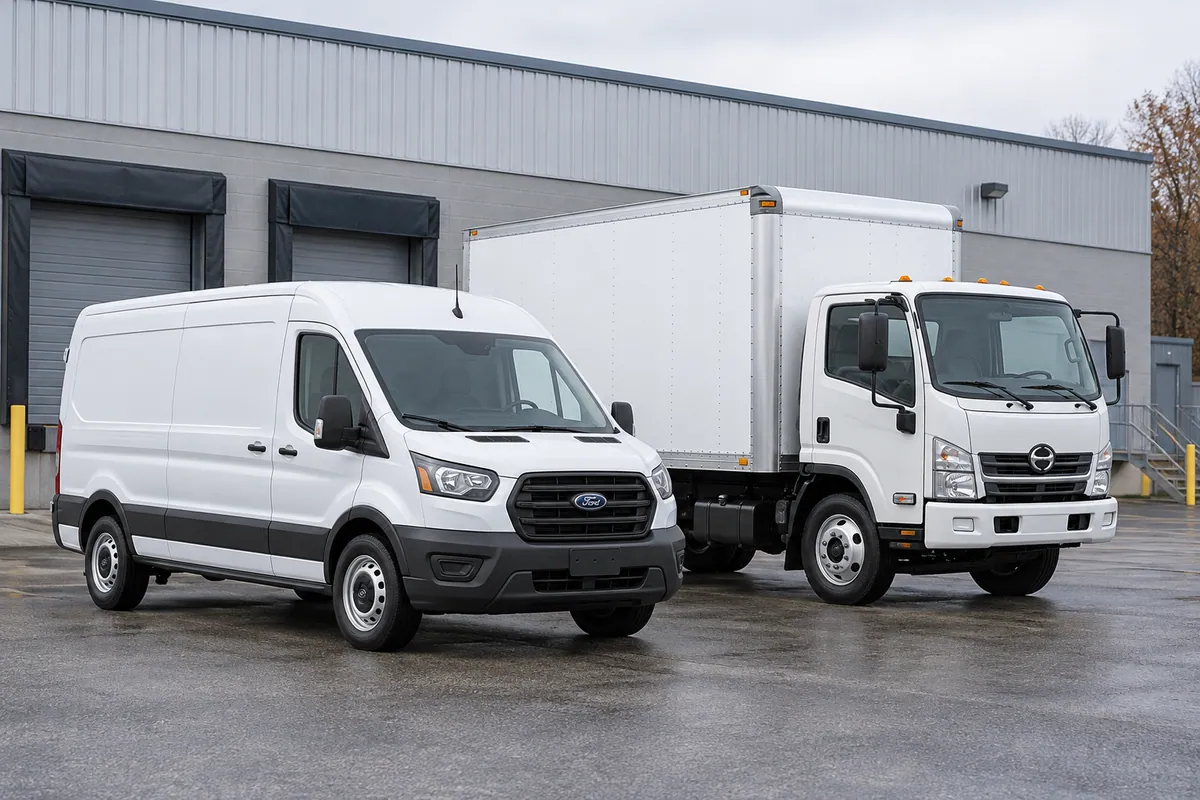
After the job, note which information helped and which details were missing. Update your brief for the next time. Final Mile Rental is preparing a West Haven lineup of box trucks and cargo vans for commercial rental needs. Talk with the team about the opening and explore the planned classes as you develop your backup plan.